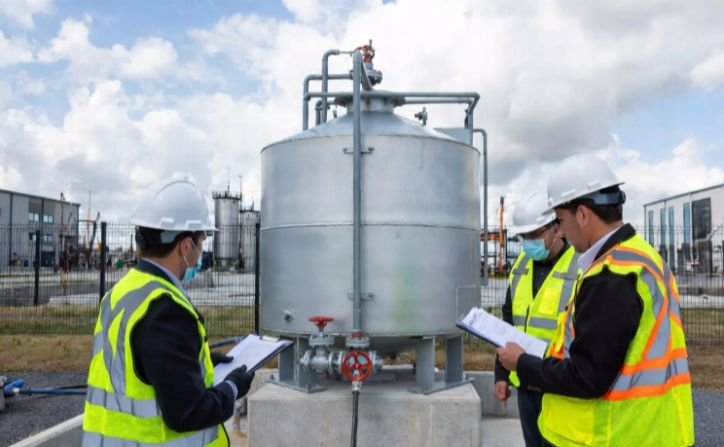
Owners of aboveground storage tanks face strict federal and state compliance requirements that demand regular attention. A tank that falls out of compliance can create serious operational and legal problems for any facility.
Compliance work requires a structured approach, the right technical expertise, and a clear understanding of current regulatory requirements. This article outlines a practical, step-by-step process for bringing a storage tank up to current standards.
Initial Tank Assessment and Document Review
Every compliance effort starts with a thorough assessment of the tank and its existing documentation. Facilities that must meet aboveground storage tank standards need accurate baseline data before any corrective work can begin. A qualified inspector examines the tank shell, floor, roof, and all connected components for visible defects, corrosion, or wear.
At the same time, the team reviews past inspection records, repair logs, and original design specifications. Staying organized during this stage is critical, much like following structured routines found in how to organize baby wardrobe efficiently, where proper planning leads to better long-term results.
Regulatory Gap Analysis
After the initial assessment, the compliance team compares the tank’s current condition and documentation against applicable federal and state codes. This gap analysis identifies every area where the tank falls short of current code requirements.
Inspectors document structural deficiencies, coating failures, secondary containment gaps, and any missing safety equipment. Each identified gap receives a priority level based on regulatory urgency and operational impact.
Structural Repair and Component Replacement
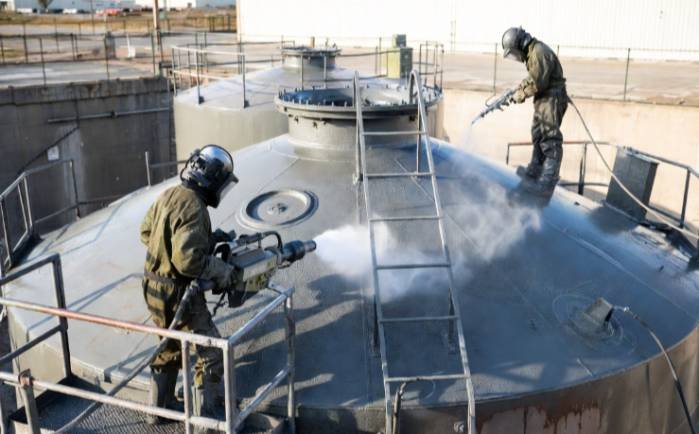
The repair phase addresses all physical deficiencies that the gap analysis revealed. Structural repairs may include weld repairs to the tank shell, floor plate replacement, or reinforcement of support structures.
Corroded or damaged valves, vents, and gauges must come out and receive proper replacements that meet current code specifications. Each repair must receive proper documentation to support later inspection and certification steps.
Coating and Corrosion Control Upgrades
Proper surface preparation and coating application protect the tank from internal and external corrosion. Abrasive blasting removes existing coatings, rust, and mill scale down to bare metal before any new coating goes on.
Applicators then apply approved coating systems that match the stored product and environmental exposure conditions. Aboveground storage tank standards specify coating performance requirements that tank owners must meet for continued compliance.
Cathodic protection systems also need evaluation and upgrade when corrosion control falls below required performance levels.
Final Inspection and Certification
Once all repairs and upgrades are complete, the tank must go through a formal inspection and testing program. A certified inspector conducts a comprehensive routine checkup of all repaired and replaced components.
Hydrostatic or vacuum tests confirm the structural integrity of the tank shell and floor. The facility then receives updated compliance documentation that confirms the tank meets current code.
Regular Maintenance and Compliance Record Management
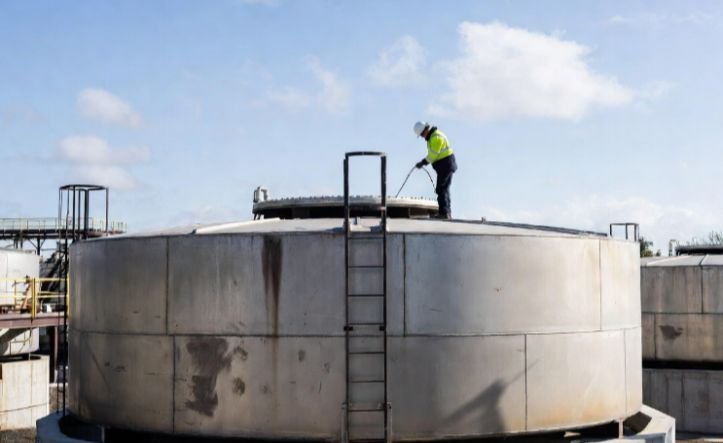
A compliant tank stays compliant only through consistent maintenance and accurate record retention. Maintenance teams should track all repairs, thickness measurements, and coating conditions in a centralized record system.
Regulatory agencies expect complete and organized documentation during audits and permit renewals. A strong record management practice reduces compliance gaps and keeps the tank ready for scheduled and unscheduled inspections alike.
Conclusion
Bringing a storage tank into full compliance takes more than a single repair visit. It requires a methodical process that starts with an accurate assessment and ends with verified documentation. Facility managers who follow each step carefully reduce the chance of regulatory deficiencies and keep operations on track.
The most actionable takeaway from this process is simple: schedule a certified inspection now and use the findings to build a written corrective action plan. That plan becomes the clearest path to a fully compliant, operationally sound tank that meets every current standard.