
As the global community becomes increasingly conscious about the impact of dietary choices on the environment, sustainable eating has emerged as a topic of significant importance. Among the choices we make, one that stands out both for its nutritional benefits and environmental impact is opting for grass fed beef. This article explores the multiple advantages that it poses for individuals concerned about health, sustainability, and the welfare of the planet.
What is Grass-Fed Beef?
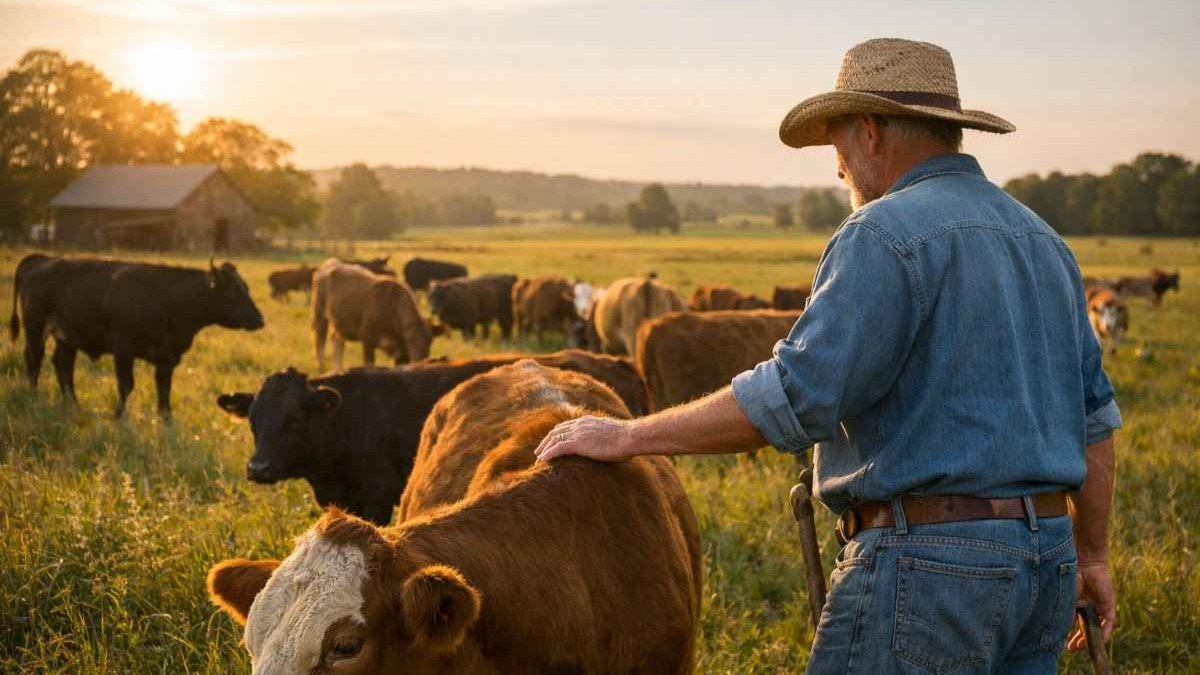
Grass-fed beef refers to the meat from cattle that have been raised on a natural diet of grass. As opposed to grain-based feed. This traditional method of cattle rearing not only aligns with the natural dietary habits of the animals but also has implications for the quality of the meat, the wellbeing of the livestock, and the environmental impact of beef production.
Nutritional Superiority of Grass-Fed Beef
One of the key reasons to choose this is its enhanced nutritional profile. Research indicates that grass-fed beef tends to have higher levels of omega-3 fatty acids, which are beneficial for heart health. Additionally, it often contains more antioxidants such as vitamins E and A, and is a potent source of conjugated linoleic acid (CLA), which has been linked to reduced body fat and other health benefits.
By incorporating grass-fed beef into one’s diet, advocates suggest one could reap these nutritional advantages over regular grain-fed beef alternatives.
Environmental Benefits of Grass-Fed Beef
Beyond personal health, the choice to consume grass-fed beef can also contribute to a healthier planet. The practice of raising cattle on pasture rather than feedlots has a lower carbon footprint. Grazing animals can foster soil health through their natural activity, and well-managed pastures can act as effective carbon sinks, capturing greenhouse gases from the atmosphere.
Additionally, grass-fed farming practices often avoid the need for feed production, which can be resource-intensive and a source of further emissions.
Animal Welfare and Grass-Fed Beef
When animals are allowed to graze freely on grass, they typically experience less stress and higher welfare standards compared to confinement in feedlots. Grass-fed cattle often enjoy more natural living conditions, which contribute to better health and reduced need for antibiotics and other pharmaceuticals to maintain health. Moreover, supporters argue that grass-fed beef production is a step towards more ethical and humane farming practices.
Supporting Local Farmers and Communities
Selecting grass-fed beef is often also a choice to support local farmers and economies. These farmers typically operate on a smaller scale and are more likely to employ traditional farming techniques that can be more beneficial for the environment. By supporting local businesses, consumers contribute to the rural economy and help maintain agricultural diversity in their regions.
Grass-Fed Beef and Biodiversity
Another important aspect is the positive impact on biodiversity. Grass-fed beef production that is managed responsibly can promote a variety of plant and animal species within the ecosystem. Unlike monoculture cropping often associated with feed production, diverse grasslands provide habitats for a range of organisms. Aiding in the preservation of local wildlife and flora.
Challenges and Considerations
While the advantages of grass-fed beef are compelling, there are also challenges to consider. Grass-fed beef is often more expensive than conventional beef due to the longer time required for cattle to reach market weight and the higher cost of managing pastures. Consumers interested in making sustainable choices must often weigh these cost considerations against the potential benefits.
The Role of Consumers in Sustainable Eating
Consumer demand plays a crucial role in shaping the agricultural industry. By choosing products like grass-fed beef, consumers can influence market trends and encourage more farmers to adopt sustainable practices. Through informed choices, individuals have the power to make an impact on both their health and the health of the planet.
Looking Ahead: The Future of Beef Production
The future of beef production may likely see an increased emphasis on sustainability and animal welfare. As information becomes more accessible and consumers become more aware of their dietary impact, demand for options such as grass-fed beef is expected to rise. This shift could lead to larger-scale changes in the industry, potentially resulting in better environmental practices and ethical standards.
Conclusion
Ultimately, the decision to choose grass-fed beef is a multi-faceted one encompassing concerns. Especially for health, the environment, animal welfare, and community support. As the world becomes more attuned to the intricate connections between diet and planetary health.
It presents itself as a viable option for those looking to make a positive difference. For those dedicated to sustainable eating, it can be a step towards a more responsible and conscientious approach to food consumption.
Final Thoughts
Making conscious choices like opting for grass-fed beef can influence not only individual wellbeing but also contribute to larger environmental goals. It is a meaningful act that resonates with the ethics of sustainability and the pursuit of a healthier planet. By choosing this consumers have the opportunity to align their eating habits with their values. And in doing so, join a growing movement towards a more sustainable future.